
Table of Contents

When it comes to health and fitness, one of the most important aspects to consider is body composition. While many people focus on weight as the ultimate indicator of health, it is far more insightful to understand the proportion of lean body mass (LBM) vs. fat mass (FM) in your body. This breakdown reveals not just how much you weigh, but what that weight consists of — offering a deeper understanding of your overall health.

Let’s dive into the differences between lean body mass and fat mass, why they matter, and how you can use this knowledge to improve your fitness journey.

Person pinching abdominal fat near the waistline to highlight fat mass distribution

What Is Lean Body Mass?

Lean body mass refers to the total weight of everything in your body, excluding fat. This includes:

  • Muscles
  • Bones
  • Organs
  • Water
  • Tissues

Simply put, lean body mass is everything in your body that is not fat. For most people, muscle mass makes up the largest proportion of lean body mass, followed by bones and water. Having a higher percentage of lean body mass is often associated with better physical performance, higher metabolic rates, and improved overall health.

What Is Fat Mass?

Fat mass, on the other hand, is the total amount of fat in your body. This includes:

  1. Essential Fat: Essential fat is critical for survival and plays a vital role in maintaining your body’s basic functions. Found in areas like the brain, bone marrow, and organs, this type of fat is necessary for hormone production, temperature regulation, and energy storage.
  2. Storage Fat: This is the fat stored in adipose tissue, which can either be subcutaneous fat (just under the skin) or visceral fat (surrounding internal organs). While some storage fat is healthy and necessary, excess fat — particularly visceral fat — can lead to health issues like heart disease and diabetes.

Why Understanding Body Composition Matters

Focusing solely on weight can be misleading. Two people can weigh the same but have drastically different body compositions. For example:

  • Person A: 150 lbs, with 25% fat mass and 75% lean body mass.
  • Person B: 150 lbs, with 15% fat mass and 85% lean body mass.

Though both individuals weigh the same, Person B is likely more muscular and healthier because of their higher percentage of lean body mass.

By analyzing your body composition, you can better understand your health and make informed decisions about your fitness goals. For instance, a person with low muscle mass and high fat mass might need to focus on strength training and fat loss, while someone with a high percentage of lean body mass might aim to maintain their current balance.

The Role of Lean Body Mass in Health

Lean body mass is often seen as a marker of overall health. Here’s why it matters:

1. Boosts Metabolism

Muscle tissue is metabolically active, meaning it burns more calories at rest compared to fat. The more lean body mass you have, the higher your basal metabolic rate (BMR), which can make it easier to manage your weight.

2. Strengthens Bones

Bone density is a component of lean body mass. By maintaining or increasing LBM through strength training and proper nutrition, you can reduce the risk of osteoporosis and fractures as you age.

3. Improves Physical Function

Lean body mass contributes to strength, endurance, and mobility. Higher muscle mass ensures that daily tasks — such as climbing stairs or carrying groceries — are easier to perform.

4. Supports Longevity

Studies have shown that individuals with higher lean body mass are less likely to suffer from chronic diseases and may even live longer.

The Impact of Fat Mass on Health

Understanding fat mass is equally critical. While fat itself is not inherently bad, excessive fat can lead to health complications.

1. Essential for Survival

As mentioned earlier, essential fat is crucial for hormonal balance and proper bodily functions. However, the key is maintaining an appropriate amount of fat.

2. Excess Fat Increases Disease Risk

High levels of fat mass, particularly visceral fat, are linked to conditions such as:

  • Heart disease
  • Type 2 diabetes
  • Hypertension
  • Certain cancers

3. Affects Hormonal Health

Excess fat can disrupt hormone levels, leading to imbalances that impact metabolism, reproduction, and overall well-being.

Athletic woman in orange sports bra and leggings standing confidently against a vibrant backdrop, symbolizing balanced lean body mass and reduced fat mass for optimal body composition

How to Measure Body Composition

There are several ways to measure your body composition and differentiate lean body mass vs. fat mass:

  1. Bioelectrical Impedance Analysis (BIA): A common method found in fitness scales and devices. It sends a weak electrical current through your body to estimate fat and lean mass.
  2. Dual-Energy X-Ray Absorptiometry (DEXA): A highly accurate scan that provides detailed information about your bone density, fat mass, and lean body mass.
  3. Skinfold Calipers: Measures subcutaneous fat by pinching the skin at specific sites. While affordable, it requires skill for accurate measurements.
  4. Hydrostatic Weighing: Measures body composition by comparing your weight on land to your weight underwater.

Tips to Optimize Your Body Composition

1. Focus on Strength Training

Building muscle is one of the best ways to increase lean body mass. Incorporate resistance exercises like weightlifting, bodyweight exercises, or resistance bands into your routine.

2. Prioritize Protein

Protein is essential for muscle repair and growth. Aim to include high-quality protein sources like lean meats, fish, eggs, beans, and tofu in your diet.

3. Incorporate Cardiovascular Exercise

While strength training builds muscle, cardio helps reduce fat mass. Activities like running, cycling, and swimming can improve your heart health and burn calories.

4. Monitor Your Progress

Track changes in your body composition over time using one of the methods mentioned above. This is more meaningful than simply watching the number on the scale.

5. Maintain a Balanced Diet

Avoid extreme diets that lead to rapid weight loss, as this often results in muscle loss alongside fat loss. Instead, focus on a balanced diet with a slight calorie deficit if fat loss is your goal.

Final Thoughts

Understanding the difference between lean body mass and fat mass is a game-changer for improving your overall health. By focusing on body composition rather than weight alone, you can set realistic fitness goals, track meaningful progress, and make informed decisions about your lifestyle.

Ultimately, achieving a healthy balance between lean body mass and fat mass is about more than just looking good — it’s about feeling strong, energetic, and ready to tackle life’s challenges. Start prioritizing your body composition today, and take control of your health and well-being!


Picture of Author

Author

Fatemeh Mehdipoor
View all posts by Fatemeh Mehdipoor

Picture of Fact checker

Fact checker

Alexey Kovalkov
View profile

Picture of Fact checker

Fact checker

Alexey Kovalkov

View profile

Picture of Author

Author

Fatemeh Mehdipoor
View all posts by Fatemeh Mehdipoor

similar articles

Mass Index Calculator: Find Your Healthy Weight Range Easily

Maintaining a healthy weight is essential for overall well-being, but determining the right weight for your body can sometimes feel like a daunting task. This is where a mass index calculator—commonly known as a Body Mass Index (BMI) calculator—comes in handy. By using this tool, you can pinpoint your healthy weight range with ease and take the first step toward achieving a healthier lifestyle.

In this blog post, we’ll explore what a mass index calculator is, how it works, its benefits, and how you can use it to find your ideal weight benchmark.

female athlete seated in gym viewing BMI chart on tablet while wearing fitness gear and armband

What Is a Mass Index Calculator?

A mass index calculator is a simple tool that helps you determine whether your weight is within a healthy range based on your height. It calculates your Body Mass Index (BMI), a value derived from the formula:

BMI = weight (kg) ÷ height² (m²)

The resulting number places you into one of the following categories:

  • Underweight (BMI below 18.5)
  • Normal weight (BMI between 18.5 and 24.9)
  • Overweight (BMI between 25 and 29.9)
  • Obesity (BMI 30 and above)

By using this calculation, a mass index calculator provides a quick and reliable way to assess your weight status and determine if it aligns with your health goals.

How Does a Mass Index Calculator Work?

A mass index calculator is straightforward to use. All you need to input is your weight and height, and the calculator will do the math for you. Here’s how it works in simple steps:

  1. Enter Your Weight: Provide your weight in kilograms (or pounds if the calculator supports it).
  2. Enter Your Height: Input your height in meters (or feet and inches).
  3. Calculate Your BMI: The calculator applies the formula and generates your BMI value.
  4. Interpret the Results: Based on the BMI value, you’ll see which category your weight falls into.

For example, if you weigh 70 kg and are 1.75 meters tall, your BMI would be:

70 ÷ (1.75 × 1.75) = 22.86, which falls within the “normal weight” range.

Why Is Knowing Your Healthy Weight Range Important?

Understanding your healthy weight range is critical for several reasons:

1. Maintaining Overall Health

Being overweight or underweight can lead to various health issues. Obesity, for instance, increases the risk of diabetes, heart disease, and joint problems, while being underweight may result in nutrient deficiencies and weakened immunity. A mass index calculator helps you stay informed about your weight status, allowing you to make healthier lifestyle choices.

2. Setting Realistic Goals

Knowing your BMI gives you a clear idea of where you stand and what you need to work on. Whether you aim to lose, gain, or maintain weight, the calculator provides a measurable benchmark to guide your efforts.

3. Tracking Progress

If you’re on a weight-loss or fitness journey, keeping track of your BMI can help you monitor your progress. Regularly checking your BMI ensures that you’re moving toward your goal in a sustainable and healthy way.

4. Promoting Awareness

Sometimes, people may not realize they are outside the healthy weight range. A BMI check serves as a wake-up call, encouraging individuals to adopt healthier habits.

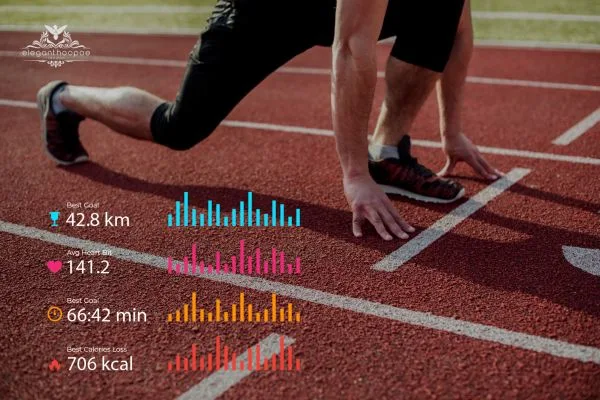
athlete in black activewear at race starting line with colorful fitness metrics including BMI, calories burned, and heart rate displayed on screen

Limitations of the Mass Index Calculator

While a mass index calculator is a useful tool, it’s important to understand its limitations:

  1. Doesn’t Account for Muscle Mass: BMI doesn’t differentiate between fat and muscle. For instance, athletes with high muscle mass may have a high BMI but still be healthy.
  2. Ignores Fat Distribution: The calculator doesn’t consider where fat is distributed in the body, which is an important factor in assessing health risks.
  3. Not Suitable for Certain Groups: BMI calculations may not be accurate for children, the elderly, pregnant women, or individuals with certain medical conditions.

Despite these limitations, the mass index calculator remains an excellent starting point for evaluating your weight status.

How to Find Your Healthy Weight Range

Your healthy weight range is determined by the “normal weight” BMI category, which falls between 18.5 and 24.9. To calculate your range:

  1. Find the Lower Limit: Multiply your height squared (in meters) by 18.5.
  2. Find the Upper Limit: Multiply your height squared by 24.9.

For example, if you’re 1.75 meters tall:

  • Lower limit: 1.75 × 1.75 × 18.5 = 56.7 kg
  • Upper limit: 1.75 × 1.75 × 24.9 = 76.2 kg

This means your healthy weight range is between 56.7 kg and 76.2 kg.

Tips for Achieving and Maintaining a Healthy Weight

Once you know your healthy weight range, the next step is to work toward achieving it (if necessary) and maintaining it. Here are some tips:

1. Focus on Nutrition

Adopt a balanced diet rich in fruits, vegetables, lean proteins, whole grains, and healthy fats. Avoid processed foods and sugary beverages, which can contribute to weight gain.

2. Stay Active

Regular physical activity is essential for maintaining a healthy weight. Aim for at least 150 minutes of moderate exercise or 75 minutes of vigorous exercise per week.

3. Monitor Portion Sizes

Overeating—even healthy foods—can lead to weight gain. Be mindful of portion sizes and avoid eating out of boredom or stress.

4. Hydrate Properly

Drinking plenty of water supports metabolism and helps control appetite. Aim for at least 8 glasses of water per day.

5. Get Enough Rest

Sleep plays a crucial role in weight management. Lack of sleep can disrupt hormones that regulate hunger and appetite, leading to overeating.

digital calculator showing numeric value beside a paper labeled “Mass Index,” with a laptop screen displaying colorful health-related data charts in the background

Final Thoughts

A mass index calculator is a powerful tool for anyone looking to find their healthy weight range. By providing a quick and easy way to calculate your BMI, it empowers you to take charge of your health and make informed decisions about your lifestyle.

While it’s not a one-size-fits-all solution, pairing it with healthy habits like proper nutrition, regular exercise, and adequate sleep can help you achieve and maintain a weight that supports your overall well-being.

Start using a mass index calculator today to discover your healthy weight range and take the first step toward a healthier, happier life!

Health Tracking Simplified: Master Your Biomass Index Goals

etting and achieving health goals can often feel overwhelming. With so many fitness trends, diets, and health metrics to track, it’s challenging to know where to start. That’s where a biomass index calculator comes in—a simple tool to help you set realistic goals and monitor your progress effectively. Whether you’re new to health tracking or looking for a streamlined way to stay on top of your fitness, a biomass index calculator can be an invaluable ally.

In this blog, we’ll explore what the biomass index is, how it works, and how you can use a biomass index calculator to set and achieve your health goals.

A person measuring waist circumference with a tape measure, surrounded by fresh vegetables and a green smoothie, symbolizing health tracking and achieving biomass index goals

What Is the Biomass Index?

The biomass index is a health metric that provides insights into your overall body composition. Unlike the commonly used Body Mass Index (BMI), which only measures weight relative to height, the biomass index takes into account additional factors such as muscle mass, fat distribution, and even bone density. This makes it a more comprehensive way to assess your health and fitness level.

This metric helps individuals understand how their body is composed, offering a clearer picture of what makes up their total weight. For example, two people might weigh the same, but one could have a higher muscle mass while the other carries more body fat. The biomass index helps distinguish these differences, making it a more accurate tool for tracking health progress.

Why Use a Biomass Index Calculator?

Using a biomass index calculator simplifies the process of health tracking by providing you with actionable insights. Here’s why it’s worth incorporating into your routine:

1. Comprehensive Health Assessment

The biomass index calculator considers multiple variables beyond weight and height, offering a holistic view of your body composition. This helps you set more targeted health goals, such as increasing muscle mass or reducing body fat.

2. Tailored Recommendations

Based on your biomass index, the calculator can provide personalized suggestions for diet, exercise, and lifestyle changes. This ensures that your health plan is aligned with your specific needs and goals.

3. Progress Tracking

Regularly updating your biomass index allows you to monitor changes in your body composition over time. This makes it easier to see how your efforts are paying off and adjust your plan as needed.

4. Motivation and Accountability

Seeing measurable progress can be incredibly motivating. A biomass index calculator provides clear data that keeps you accountable and focused on your health journey.

How to Use a Biomass Index Calculator

Getting started with a biomass index calculator is simple. Here’s a step-by-step guide to help you make the most of this tool:

Step 1: Input Your Data

To calculate your biomass index, you’ll need to provide some basic information, including:

  • Weight
  • Height
  • Age
  • Gender

Some advanced calculators may also ask for additional details like waist circumference, body fat percentage, or activity level for more accurate results.

Step 2: Review Your Biomass Index Score

Once you’ve entered your information, the calculator will generate your biomass index score. This score serves as a snapshot of your current body composition, helping you identify areas for improvement.

Step 3: Set Your Goals

Based on your biomass index, determine what you want to achieve. For example:

  • If your score indicates excess body fat, you might set a goal to reduce fat percentage through a combination of diet and exercise.
  • If your score shows low muscle mass, you might focus on strength training and increasing protein intake.

Step 4: Create a Plan

Use the insights from your biomass index to design a health plan that aligns with your goals. This might include:

  • Dietary changes: Adjusting your calorie intake, balancing macronutrients, or incorporating more whole foods.
  • Exercise routines: Adding weightlifting sessions, cardio, or flexibility exercises to your weekly schedule.
  • Lifestyle modifications: Improving sleep quality, managing stress, or staying consistent with hydration.

Step 5: Track Your Progress

Revisit the calculator regularly—once every few weeks or months—to update your data and reassess your biomass index. This allows you to track how your body composition changes over time and make adjustments to your plan as needed.

A flat lay of health tracking tools including a digital scale, push-up bars, a green apple, a blue measuring tape, a notebook with weight-tracking entries, a pen, and a potted plant.

Setting Realistic Health Goals with a Biomass Index Calculator

One of the biggest advantages of using a biomass index calculator is its ability to help you set realistic and achievable health goals. Here’s how you can do that:

1. Start Small

Instead of aiming for drastic changes, focus on incremental improvements. For example, aim to reduce your body fat percentage by 1–2% over a few months rather than trying to lose a large amount of weight quickly.

2. Be Specific

Vague goals like “get healthier” are harder to achieve. Use the data from your biomass index to set specific targets, such as “increase muscle mass by 5 pounds” or “reduce waist circumference by 2 inches.”

3. Consider Your Lifestyle

Choose goals that fit into your daily routine. If you have a busy schedule, aim for shorter, high-intensity workouts rather than lengthy gym sessions.

4. Track Non-Scale Victories

Remember that progress isn’t just about the numbers. Celebrate other achievements, such as improved energy levels, better sleep, or increased strength.

The Benefits of Regular Health Tracking

Incorporating a biomass index calculator into your health routine offers numerous benefits beyond achieving specific goals. It helps you develop a deeper understanding of your body, encourages consistency, and provides a sense of control over your health journey. By consistently tracking your progress, you’ll be better equipped to maintain long-term health and fitness.

Final Thoughts

Achieving your health goals doesn’t have to be complicated. With the help of a biomass index calculator, you can simplify the process by focusing on what truly matters—your body composition and overall well-being. By setting realistic goals, creating a tailored plan, and tracking your progress, you’ll be well on your way to a healthier, happier you.

Start using a biomass index calculator today and take the first step toward making your health goals simple, actionable, and achievable!

Green Life International stands as the #1 non-invasive slimming and body contouring brand in the Middle East, backed by over 27 years of medical excellence.

Founded by a team of experienced physicians, Green Life International has become a trusted name in aesthetic innovation — where science meets elegance.
Our mission is to empower individuals to feel confident in their bodies through cutting-edge technology, evidence-based methods, and personalized care.

With premium facilities, advanced European-certified devices, and a reputation for visible, natural-looking results, we continue to lead the future of non-surgical aesthetics across the region.

Green Life International — The Art of Body Transformation.


🇹🇷 Hakkımızda (Lüks / Uluslararası Versiyon)

Green Life International, 27 yılı aşkın tıbbi mükemmeliyetiyle, Orta Doğu’nun ameliyatsız zayıflama ve vücut şekillendirme alanındaki bir numaralı markasıdır.

Deneyimli doktorlar tarafından kurulan Green Life International, bilim ile estetiğin buluştuğu noktada güvenilir bir isim haline gelmiştir.
Amacımız; en son teknoloji, bilimsel temelli yöntemler ve kişiye özel yaklaşımlar ile insanların kendilerini bedenlerinde daha özgüvenli hissetmelerini sağlamaktır.

Avrupa sertifikalı cihazlarımız, lüks merkezlerimiz ve doğal görünümlü, etkileyici sonuçlarımızla; ameliyatsız estetik alanında bölgenin geleceğine yön vermeye devam ediyoruz.

Green Life International — Vücut Dönüşümünün Sanatı.